Audiophile Productions Distribution
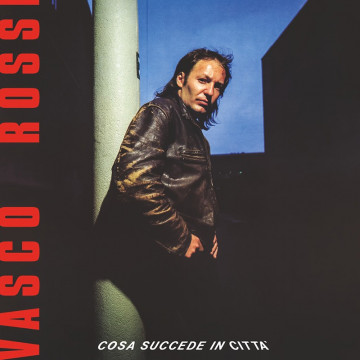
Vasco Rossi, Bollicine (SACD)
VASCOROSSI2 - 165 - SACD - Pop

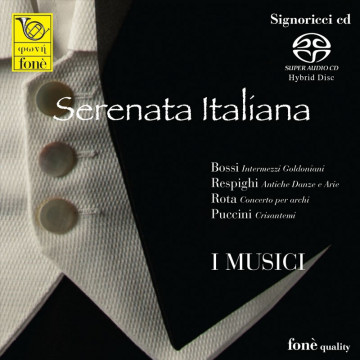
Intermezzi Goldoniani-Antiche Danze ed Arie-Concerto per archi-Crisantemi
Marco Enrico Bossi
Intermezzi Goldoniani op. 127
1. Preludio e minuetto (Allegro con fuoco-Con grazia) 5.59
2. Gagliarda (Vivace) 4.01
3. Coprifuoco (Blandamente) 5.08
4. Minuetto e musetta (Con moto) 3.37
5. Serenatina (Allegretto tranquillo) 3.10
6. Burlesca (Con molto brio) 2.58
Ottorino Respighi
Antiche Danze ed Arie per liuto Terza Suite per archi
7. Ignoto: Italiana (fine del sec. XVI) 2.58
8. Giov. Batt. Besardo: Aria di Corte (sec. XVI) 7.50
9. Ignoto: Siciliana (fine del sec. XVI) 2.57
10. Lodovico Roncalli: Passacaglia (1692) 4.00
Nino Rota
Concerto per archi
11. Preludio (Allegro ben moderato e cantabile) 3.33
12. Scherzo (Allegretto comodo) 3.56
13. Aria (Andante quasi adagio) 4.31
14. Finale (Allegrissimo) 2.57
Giacomo Puccini
Crisantemi
15. Andante Mesto 6.33
Conceived, recorded and produced by Giulio Cesare Ricci
Recorded at Teatro Comunale Francesco Paolo Tosti in Ortona (CH)
Recording date October 22th - 25th, 2008
Recording assistant Paola Liberato
Valve microphones Neumann U47, U 48, M49
mike pre-amplifiers: line, digital, microphone, supply cables Signoricci
recorded in stereo DSD on the Pyramix Recorder using dCS A/D and D/A converters
Many thanks for their support: Amministrazione comunale di Ortona and Istituto Nazionale tostiano
Can a twentieth-century serenade exist? Can two apparently antinomic terms be compared? (this is how they were read for a long time). How can the expression of a poetic and musical form chosen as the privileged vehicle of a love relationship (which we often imagine to be saccharine and cloying) be reconciled with the anxiety of renewal, of adhesion to the new, to technology, to the magnificent and progressive fortunes of the early twentieth century? This is the question to which I Musici have attempted to give an artistic answer with Serenata italiana, which leads us through a listening journey that covers a time span from the end of the nineteenth century to the 1960s. The mentor of the musical journey is a figure who in various ways overshadows the lives of the protagonists: Arturo Toscanini.
HI RES AUDIO (Itunes, Amazon, Native DSD..)
 Native Dsd
 Qobuz
Qobuz
 Hd Tracks
 High Res Audio
 iTunes
 Amazon
 7 Digital
 Tidal
Tidal
 Deezer
 Spotify

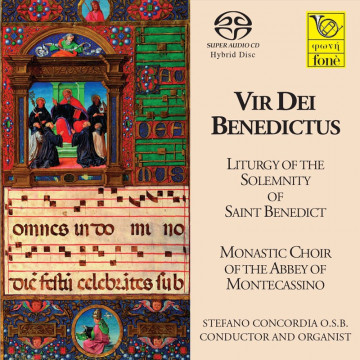
Intermezzi Goldoniani-Antiche Danze ed Arie-Concerto per archi-Crisantemi
Coro dei monaci di Montecassino
Stefano Concordia O.S.B.: direzione e organo
DSD / Stereo
Elaine Delmar: voce
Brian Dee Trio
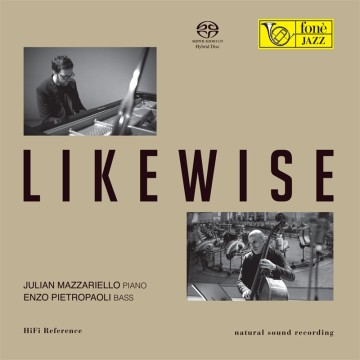
Julian Mazzariello piano
Enzo Pietropaoli bass
Tube Processed Digital Master / natural sound recording / HiFi Reference
Super Audio CD / DSD / Stereo
Salvatore Accardo - direttore e solista
Orchestra da Camera Italiana
Laura Manzini cembalo
Laura Gorna violino
Cecilia Radic violoncello
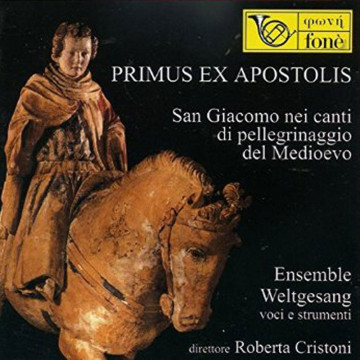
San Giacomo nei canti di pellegrinaggio
Ensemble Weltgesang: voci e strumenti, Roberta Cristoni: direttore
DSD / Stereo
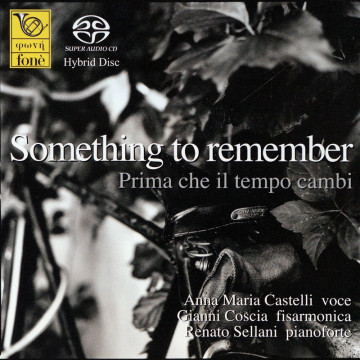
Anna Maria Castelli voce, Gianni Coscia fisarmonica, Renato Sellani piano
Natural Sound recordings / HiFi Reference / Super Audio CD / DSD / Stereo
Andrea Castelfranato
acoustic guitar - nylon guitar - fingerstyle
J. S. Bach - N. Paganini - J. Massenet - C. Bach
Uto Ughi: violinista e direttore
Auditorium Parco della Musica Sala Santa Cecilia
Riccardo Zegna: pianoforte
Giampaolo Casati: tromba, cornetta, flicorno
Petra Magoni voice
Ferruccio Spinetti double bass
Tube Processed Digital Master / natural sound recording / HiFi Reference
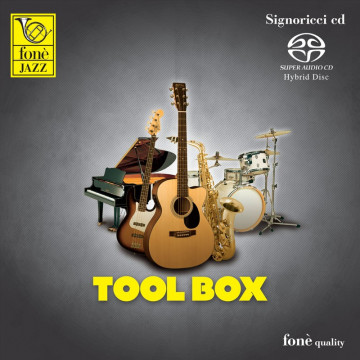
David Garfield: piano, 9’3” by Julius Bluthner; 1930
Michael O’Neill: Yamaha Nylon Stringed Acoustic Guitar
James Earl: Warwick Acoustic Bass Guitar
Larry Klimas: Tenor & Soprano Sax, Flute
Walfredo Reyes: Drums, Custom Pearl Kit
Natural Sound recordings / HiFi Reference / Dsd
Paolo Birro - piano / Aldo Zunino - bass / Alfred Kramer- drums
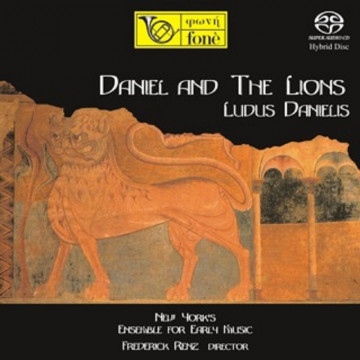
New York’s Ensemble for Early Music
Frederic Renz: direttore
Daniele - Mark Bleeke
Re Baldassarre, Abacuc - Wilbur Pauley
Re Dario - Patrick Mason
Regina, Angelo - Peter Becker
Astrologo - Johnson Flucker
Leguleio - Douglas Shambo